
What is Turmeric?
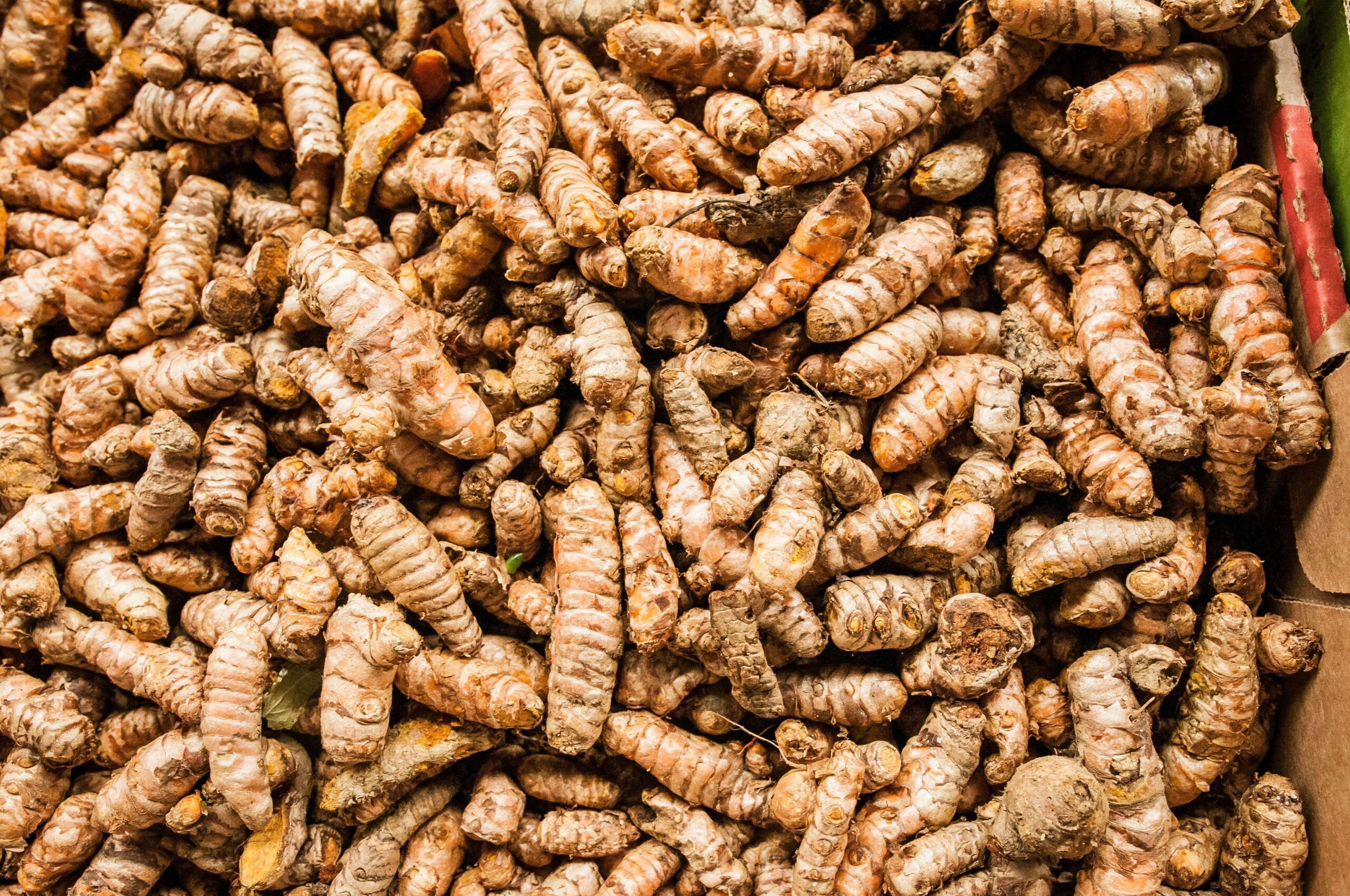
Turmeric is a bright yellow spice that comes from the root of the Curcuma longa plant. Native to South Asia, particularly India, this herb has been used for thousands of years as both a cooking ingredient and a traditional medicine. When people ask, “What is turmeric?” the simple answer is: a golden spice known for its healing properties.
The plant then spread to Malaysia, Indonesia, Australia and even Africa. Native to Southeast Asia, it’s a staple in Indonesian, Indian, and other Asian cuisines. Beyond cooking, it’s widely used in traditional medicine, skincare, and natural supplements. This ingredient is a member of the ginger family (Zingiberaceae).
Turmeric is a shrub that grows to approximately 70 cm in height. It has pseudostems that are erect, round, rhizome-forming, and yellowish-green in color. This golden spice is a herbaceous plant with compound flowers that are hairy and scaly. The stems of the plant are approximately 16-40 cm long. The corolla consists of cylindrical petals that are yellow in colour, with approximate measurements of 3 cm in length and 1.5 cm in width. The roots are light brown and fibrous.
Beyond the vibrant color and earthy flavor, it contains powerful compounds that can promote overall health, the most important one being curcumin.
The Power of Curcumin
Curcumin is the main active ingredient in turmeric. It gives the spice its rich yellow color and most of its health benefits.
Curcumin has anti-inflammatory, antioxidant, and antimicrobial properties. That means it helps your body fight inflammation, protects cells from damage, and supports a stronger immune system. However, curcumin is not easily absorbed by the body, which is why combining curcumin with black pepper (containing piperine) can improve absorption by up to 2,000%.
Health Benefits of Turmeric
Now that we know what turmeric is, let’s explore its most well-known health benefits supported by research and traditional use.
- Reduces Inflammation : Chronic inflammation can lead to diseases such as arthritis, heart disease, and diabetes. Curcumin works by blocking molecules that trigger inflammation in the body, making this yellow spice as a natural alternative to anti-inflammatory drugs without the side effects.
- Supports Brain Health : Curcumin may increase brain-derived neurotrophic factor (BDNF), a hormone that supports brain growth and function. This can help reduce the risk of neurodegenerative diseases like Alzheimer’s and improve memory and mood.
- Boosts Heart Health : This healing root can improve blood circulation and reduce cholesterol buildup in arteries. Studies suggest that curcumin helps maintain a healthy heart by balancing cholesterol levels and preventing plaque formation.
- Promotes Healthy Skin : Natural remedy for glowing, radiant skin. Thanks to its anti-inflammatory and antibacterial properties, this natural ingredient helps reduce acne, calm redness, and slow down signs of aging. Many skincare products now include curcumin extract for its brightening effect.
- Relieves Joint Pain : For those who suffer from arthritis, this herbal supplement may offer relief. Regular consumption of turmeric or curcumin supplements can help ease stiffness and improve joint mobility, especially in older adults.
- Strengthens Immunity : Turmeric is often used as a natural immune booster. Drinking turmeric milk or tea during cold and flu season can help your body fight infections and recover faster.
How to Use Turmeric in Daily Life
Knowing what turmeric is is only the beginning. The real magic happens when you learn how to use this spice in simple, enjoyable ways every day. Whether it’s in your food, your drink, or your skincare routine, it offers countless options to boost your health naturally.
- Use Turmeric Powder in Cooking: Turmeric powder adds a rich golden color and a warm, earthy flavor to many dishes. You can sprinkle it on rice, mix it into soups, stews, or curries, and even add a pinch to your scrambled eggs or roasted vegetables.
- Make Turmeric Tea or Golden Milk: Mix turmeric powder with warm milk (dairy or plant-based), add honey, and drink before bed. It’s calming, nourishing, and perfect for glowing skin from within.
- Take Turmeric Supplements: Capsules or tablets usually contain concentrated curcumin extract, which provides a higher level of anti-inflammatory power than regular turmeric powder. Supplements are ideal for people with joint pain, arthritis, or chronic inflammation, as they deliver the active compounds in more potent amounts.
- Try Turmeric for Skin Care: This golden spice contains antibacterial and anti-inflammatory compounds that help reduce acne, dark spots, and dullness. Using this miracle spice on skin once or twice a week can make your complexion smoother and more radiant. Just be sure to use a mild amount. Too much turmeric can leave a temporary yellow tint.
- Add Turmeric to Smoothies and Juices: If you love smoothies, adding turmeric is a smart and delicious way to enjoy its benefits.
Just half a teaspoon of turmeric powder can turn your ordinary drink into a superfood smoothie. - Use Fresh Curcumin Root: Fresh curcumin root contains all the same nutrients and curcumin as the powder, but in its raw form, making it one of the best options if you prefer natural, unprocessed ingredients.
Side Effects and Precautions
While this herb is safe for most people, consuming too much may cause stomach discomfort or nausea. If you’re pregnant, breastfeeding, or taking medications (especially blood thinners), consult your doctor before taking this supplements.
Also, always remember that turmeric is not a substitute for medical treatment, it’s a natural aid to support your overall wellness.