
Few natural ingredients have traveled through time and across continents as gracefully as turmeric. Known to science as Curcuma longa, this golden spice has a history of over 4,000 years. People have used it for flavor, healing, and as a sacred symbol of life and purity. So, what is the true history of turmeric, and how did it become one of the world’s most valued spices?
Today, turmeric is famous worldwide for its health benefits and vibrant color. But behind every golden latte or fragrant curry is a remarkable story. It follows ancient trade routes and traditions that built turmeric’s global identity.
This is the history of turmeric, a journey that started in ancient India and still colors kitchens and traditions around the world.
Origins in Ancient India: The Birthplace of the Golden Root
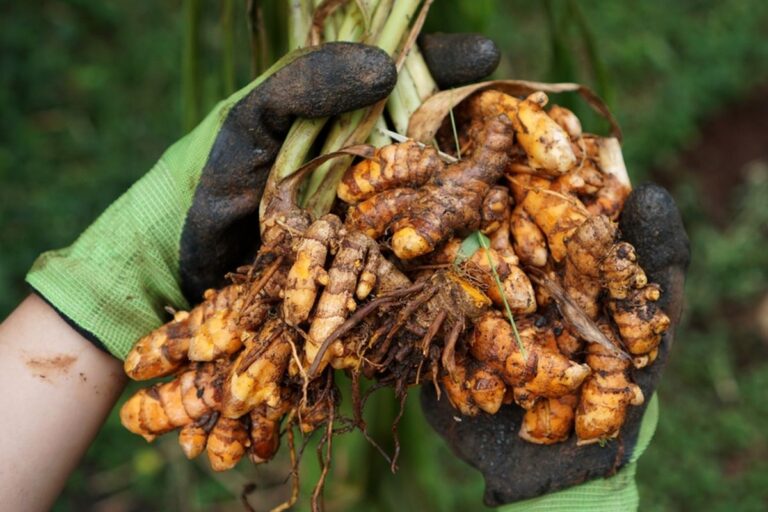
The earliest evidence of turmeric use comes from South Asia, particularly the Indus Valley Civilization (modern-day India and Pakistan) around 2500 BCE. Archaeologists have found turmeric residue in pottery, suggesting it was already part of everyday cooking.
In ancient Sanskrit texts, scholars called turmeric Haridra (“yellow”) and Kanchani (“golden”). These names reflect its vibrant color and high value. In Ayurvedic medicine, one of the world’s oldest healing systems, practitioners revered turmeric as a sacred herb. They believed it could balance the body’s energies—vata, pitta, and kapha.
Ayurvedic practitioners prescribed turmeric for a variety of ailments: digestive problems, joint pain, wounds, skin conditions, and even spiritual cleansing. People believed that turmeric purified the body and soul, promoting longevity and strength.
Beyond medicine, turmeric became an essential part of Indian rituals and daily life. The famous haldi ceremony covers brides and grooms in turmeric paste before their wedding.
This ritual symbolizes purification, fertility, and good fortune. Even today, it remains one of the most cherished pre-wedding traditions in Indian culture.
The History of Turmeric in Asia: From Medicine to Cuisin
As trade routes expanded and cultures interacted, turmeric began to travel eastward across Asia, adapting to new environments and traditions.
In China, written records from 700 AD mention turmeric as a medicinal herb in Traditional Chinese Medicine (TCM). It was used to promote blood circulation, reduce swelling, and relieve pain, particularly in conditions related to the liver and joints.
Across Southeast Asia, turmeric found a special place in both kitchens and healing rituals.
Indonesians use it to make jamu, a traditional herbal tonic that supports overall health.
Further north, Thai and Malaysian dishes feature turmeric for its vibrant color, earthy flavor, and powerful medicinal benefits.
For centuries, turmeric’s journey through Asia was not just about taste, it was about shared wisdom. Each region found its own unique way to honor the spice, blending it into local traditions that still endure today.
The Middle Eastern and African Connection
Turmeric’s reputation eventually reached the Middle East and Africa, carried by Arab merchants through the ancient Silk Road and spice trade routes.
In Persia (modern-day Iran), turmeric became a staple in both cooking and medicine. Ancient communities valued turmeric for its warming qualities, using it in rice dishes, stews, and traditional medicines. They saw its golden color as a symbol of prosperity and a source of positive energy.
In Egypt, turmeric’s uses extended even further. Historical records reveal that Egyptians used turmeric to preserve bodies during embalming. This practice shows their deep respect for the golden root. The combination of turmeric’s antibacterial and aromatic properties made it ideal for sacred and practical purposes alike.
As trade intensified, turmeric spread along the Swahili Coast of Africa, where it blended with local cuisines, particularly in coastal Kenya, Tanzania, and Zanzibar. There, it became a core ingredient in spice mixes like pilau masala, symbolizing the cross-cultural connections that turmeric inspired.
History of Turmeric in Europe
By the 13th century, turmeric made its way to Europe, thanks to Arab traders who introduced it to Mediterranean ports. Europeans, fascinated by its bright yellow color, began calling it “Indian saffron.” Though it couldn’t replace real saffron in aroma or flavor, turmeric quickly became a popular and affordable dye for fabrics and food.
During the Age of Exploration in the 15th and 16th centuries, European explorers and colonial powers like the Portuguese, Dutch, and British expanded global spice trade networks. Turmeric was one of the many Eastern treasures that began appearing in European kitchens, apothecaries, and even royal courts.
However, turmeric’s culinary popularity in Europe remained modest for centuries. It wasn’t until modern times (when the world became increasingly health-conscious) that Western societies began to appreciate turmeric’s nutritional and medicinal value.
The Modern Era: Turmeric as a Global Superfood
The 20th century marked a new chapter in turmeric’s global journey. Scientists began investigating the active compound curcumin, which gives turmeric its distinctive yellow pigment and many of its healing properties.
Modern research confirmed what ancient civilizations already knew turmeric has powerful anti-inflammatory, antioxidant, and antibacterial effects. These findings led to a global boom in turmeric-based supplements, functional foods, and natural skincare products.
Today, turmeric is found in everything from smoothies and teas to cosmetics and wellness therapies. The trendy golden milk latte, inspired by traditional Indian haldi doodh, has become a symbol of holistic living around the world.
Turmeric’s transformation from a regional spice to a global wellness icon reflects humanity’s growing respect for natural healing and cultural heritage.
The Cultural and Spiritual Legacy
Throughout the centuries, the history of turmeric reflects how different civilizations valued this golden spice, not only as food but also as a symbol of health and spirituality, turmeric has remained deeply connected to spiritual symbolism. In Hinduism and Buddhism, the color yellow represents purity, light, and divine energy. Temples often use turmeric water for purification rituals, and monks’ robes are traditionally dyed in shades of yellow or orange, colors symbolizing wisdom and enlightenment.
In Southeast Asia, turmeric continues to play a role in religious offerings, ceremonies, and blessings. In Indonesia, turmeric rice (nasi kuning) is served during celebrations as a symbol of joy and gratitude.
Even outside Asia, turmeric has gained spiritual meaning. Many people in the West now see it as a symbol of holistic balance, blending ancient wisdom with modern wellness philosophies.
The Global History of Turmeric Continues
From the ancient fields of India to the shelves of modern supermarkets, turmeric’s journey is far from over. It remains a bridge between cultures. A spice that unites science and spirituality, tradition and innovation.
In global trade, India continues to be the largest producer and exporter of turmeric, supplying more than 80% of the world’s demand. Yet its use and appreciation are now truly universal. From Los Angeles cafes serving turmeric lattes to African spice markets selling curcuma powder, this golden root has become a global ambassador of natural health.
Understanding the history of turmeric helps us appreciate not just its flavor but its powerful cultural and medicinal legacy across the world.